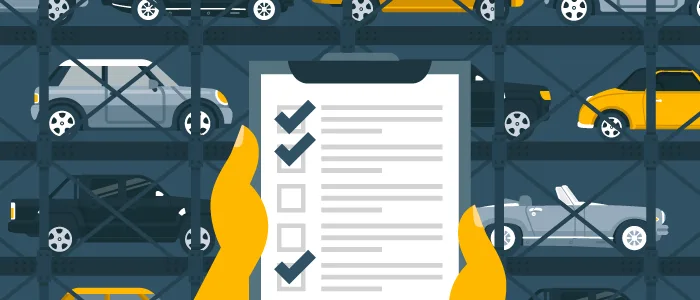
A vehicle inventory management checklist will help you create flawless listings and stand out from the thousands of other dealerships online.
The vehicle inventory management process starts as soon as the dealership manager prints off a bill of sale for a new unit. The vehicle gets a stock number, tags and folders, and then gets entered into the DMS. Because the DMS is where third-party sites and CRM tools pull their information, the accuracy of this stage is essential, but frequently overlooked.
Car buyers love online research.
According to Autotrader’s 2017 Car Buyers Journey, 60% of car buyers spend over fourteen hours online researching vehicles before they make a purchase. Shoppers spend most of that time on third-party websites combing through vehicle details looking for the perfect match.
Save valuable time and paper with a little quality control.
Think of how many documents you print using the information entered when you first stock a vehicle. Now, think of how many forms have to be reprinted every day because of discrepancies. A quick audit only takes ten minutes, and it can improve overall dealership efficiency and save resources, too.
A checklist can guarantee your vehicle inventory manager doesn’t miss crucial data that can help your dealership show up during a car buyer’s research.
First, include the basics:
- Stock Number
- New or Used: Your DMS may automatically populate a new or used tag once you enter the VIN. This information is not always accurate, so be sure to verify it’s correct before you hit save.
- Year
- Make
- Model
- Body style: Body style is a typical search filter, make sure to include it in every listing.
- Correct VIN: Your DMS will most likely catch an incorrect VIN, but there’s always room for error with data entry. Always check the entire VIN before you save your listing.
- Mileage: Never list an estimated vehicle mileage and update the vehicle listing when the vehicle arrives on site. Even-numbered mileage readings stand out like a sore thumb to auditors, and they’re misleading to clients.
- Color: Forget fancy names like Radiant Cherry or Platinum Ice. Keep it simple and use basic color names like red or white.
- Photos: Vehicle images can attract car buyers or turn them away. Make sure whoever’s in charge of your dealership’s photos is appropriately trained in automotive photography.

Next, include essential information that dealers often forget to list:
- Transmission type: Automatic or Manual?
- Wheels: What kind of tires and rims does this vehicle have?
- Passenger total: A lot of people, especially parents, search for a vehicle based on the seating capacity.
- Fuel type: Some car buyers look for a car based on the type of fuel it takes, and not every vehicle requires gas. Remember to update the fuel type if it’s a hybrid, electric, or diesel.
- Current offers: Do you offer customer loyalty, student, or first-time buyer incentives? It’s smart to include offers in your listings but never forget to update them when they expire. Educated consumers are more trusting of a company that takes the time to keep their information current.
- Turn time: Check turn time by make and model on a regular basis so you know which units to reorder and which to move before they eat into your margin.
Last but not least: Remember to specify the bells and whistles.
- Heated/cooled seats
- Alarm system
- Sunroof/Moonroof
- Navigation
- Keyless entry
- Backup cameras
Fill in the blanks.
If clients can’t see your inventory, it defeats the purpose of paying third-party subscription fees. The best way to guarantee all the information a shopper wants is to compare the car finder website’s data fields with your DMS’s. Make sure to fill in each section carefully, so the car finder filters will do a better job of including your listings. Missing or inaccurate vehicle information can hurt dealers looking to increase leads because complete listings are more likely to show up when shoppers use filters to search.
Good vehicle inventory management can make a big difference in your sales numbers. It might seem like a lot to keep track of, but the rewards are worth it.
-
Interested in an Affordable, Full-Featured Auto Dealer CRM?
Schedule an AutoRaptor Demo Now!

Frequently asked questions
Questions About This Topic
How much time do car buyers spend researching vehicles online before purchasing, according to Autotrader's 2017 study?
60% of car buyers spend more than fourteen hours online researching vehicles before making a purchase, with most of that time spent on third-party websites.
What basic details should every vehicle inventory listing include?
Stock number, new-or-used status, year, make, model, body style, a verified VIN, accurate (non-estimated) mileage, a simple color name, and quality photos.
What "bells and whistles" features should dealerships remember to list?
Heated or cooled seats, an alarm system, sunroof or moonroof, navigation, keyless entry, and backup cameras are details that help a listing stand out to buyers using search filters.
Why does inventory listing accuracy matter for a dealership's online visibility?
Complete, accurate listings are more likely to show up when shoppers use search filters, so missing or inaccurate vehicle information can directly hurt a dealership's ability to generate leads from third-party sites.